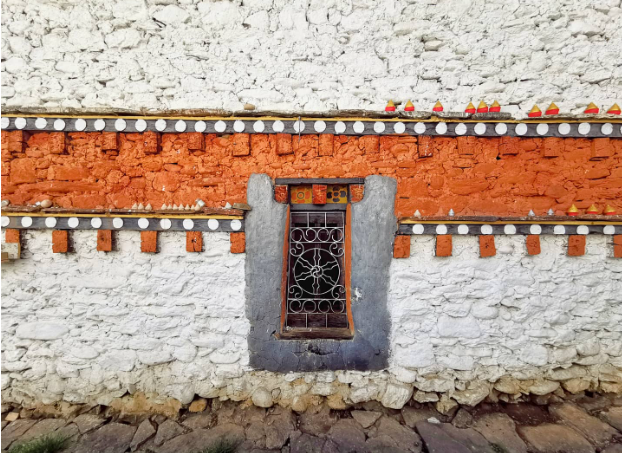
Bumthang · Temple tradition
Jambay Lhakhang Drup
Situated in the serene Bumthang Valley, Jambay Lhakhang is among Bhutan's oldest temples. Constructed in the 7th century, this ancient site stands as a...
Discover Bhutan's sacred masked dances, compare festival dates and shape a private trip around the celebration that fits you.
Choose your experience
From major celebrations in Paro and Thimphu to the traditions of Bumthang, each festival offers a different way into Bhutanese life.
26 festivals matching your dates
Bumthang · Temple tradition
Situated in the serene Bumthang Valley, Jambay Lhakhang is among Bhutan's oldest temples. Constructed in the 7th century, this ancient site stands as a...
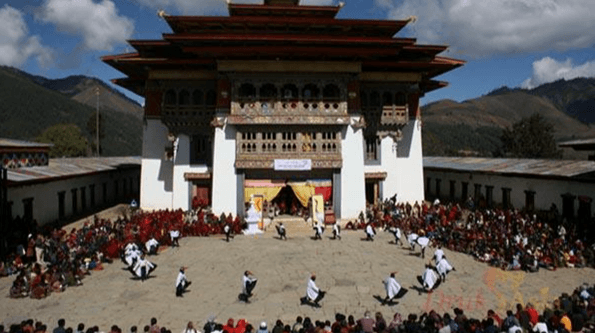
Every November, the remote and pristine Phobjikha Valley in central Bhutan becomes the stage for a unique and deeply meaningful event—the Black-Necked Crane...
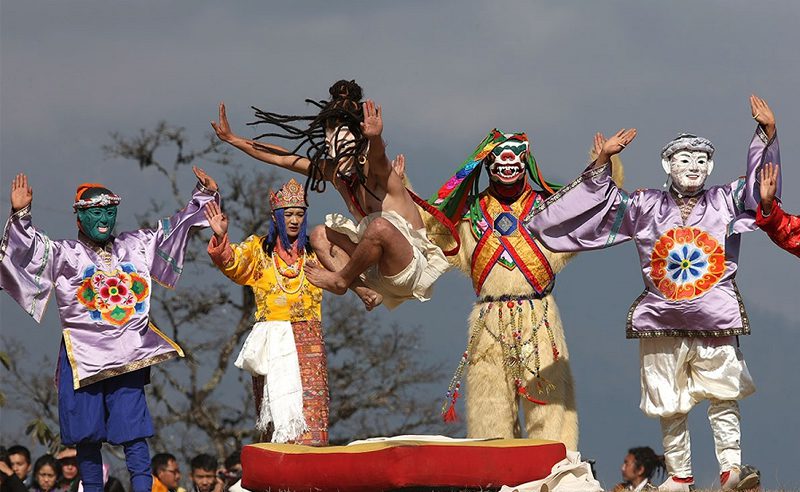
Dochula · Mountain setting
Druk Wangyel Tshechu is held in honour of his majesty Jigme Singye Wangchuck and the Royal Bhutan Army for a successful military operation in which Indian...
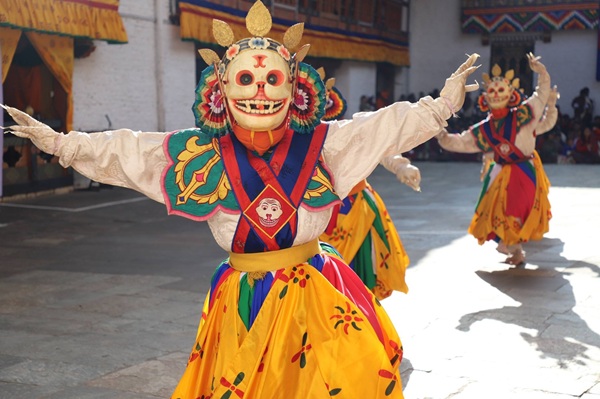
Lhuentse Tshechu is one of eastern Bhutan’s most sacred and culturally authentic religious festivals, celebrated annually in the courtyard of Lhuentse Dzong...
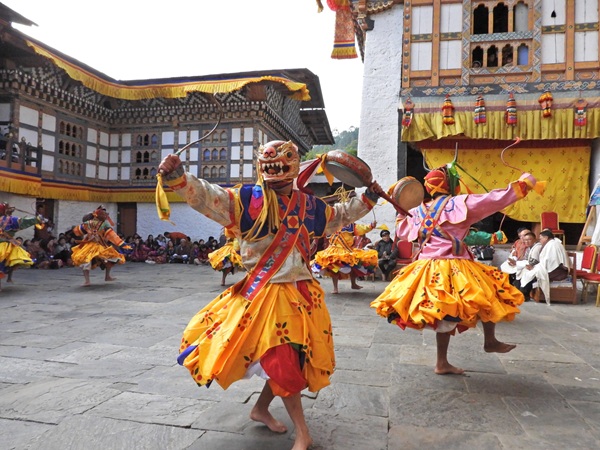
Trongsa Tshechu is one of Bhutan’s most historically rich and spiritually significant religious festivals, celebrated annually in the grand courtyard of Trongsa...
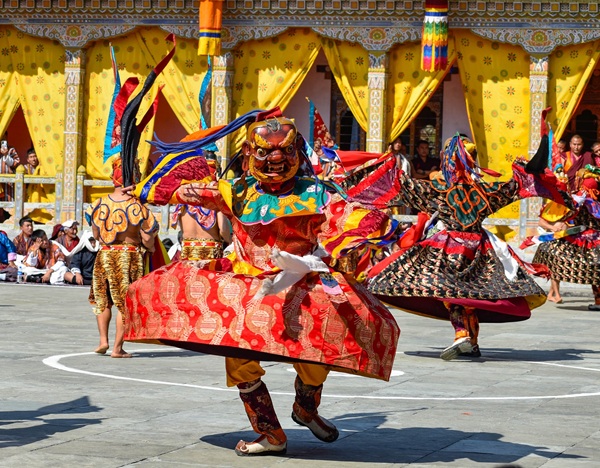
Samdrup Jongkhar Tshechu is one of southeastern Bhutan’s most important and lively religious festivals, celebrated annually in the courtyard of Samdrup Jongkhar...
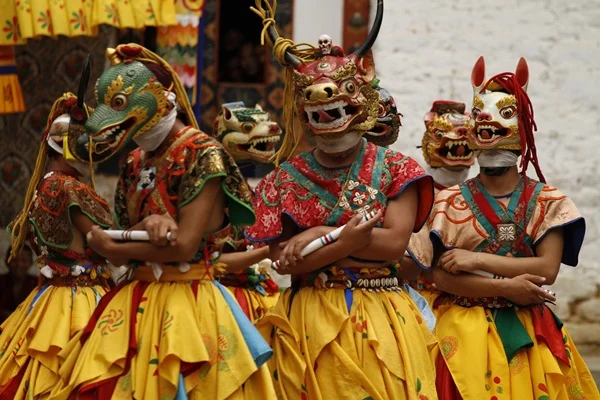
Nabji Lhakhang Drup is one of Bhutan’s most intimate and culturally rich village festivals, celebrated annually in the Nabji village of Trongsa District. Unlike...
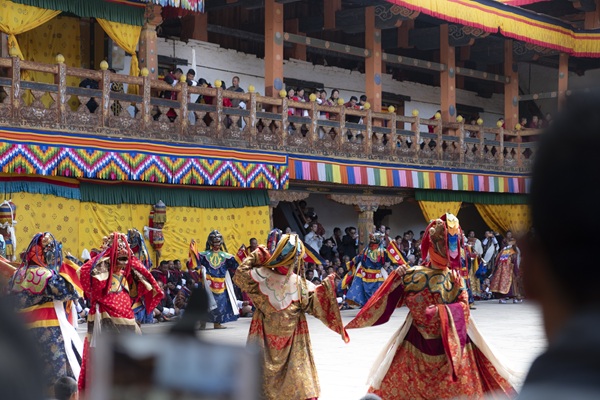
Holding a historical significance, Punakha Drubchen Festival is celebrated to commemorate the victory of Bhutanese over the invading Tibetan armies. Upon...
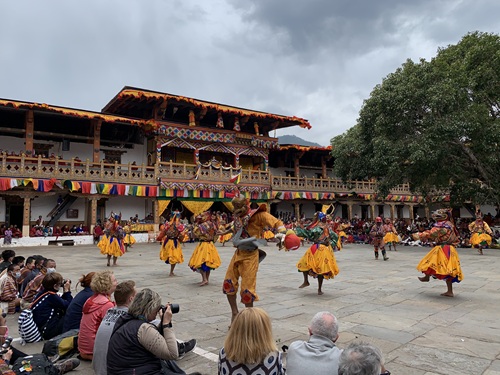
Punakha Tshechu is one of Bhutan’s most significant and visually stunning religious festivals, celebrated annually in the courtyard of the historic Punakha...
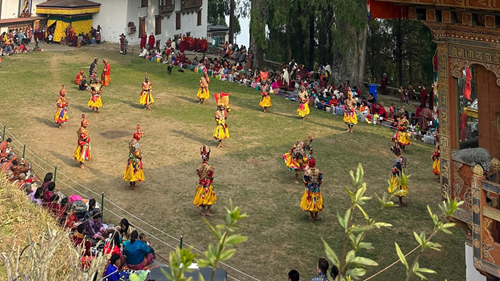
Talo Tshechu is a three-day annual Buddhist festival held at Talo Monastery (Talo Goenpa), perched at an elevation of around 2,800 metres above the Punakha...
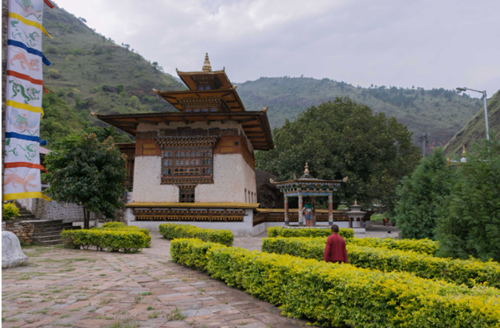
If you're looking for a truly immersive cultural and spiritual experience in Bhutan, the Gomphu Kora Tshechu is something you won’t want to miss! It is the most...
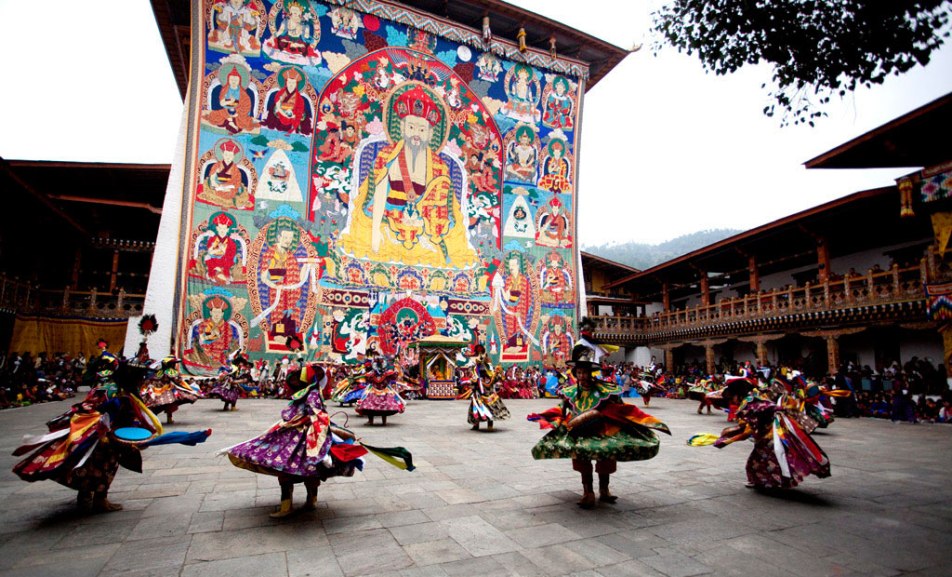
Paro · Signature celebration
Every year on the 10th date of the second month of the Bhutanese calendar, a festival is held in the charming valley of Paro to celebrate the birth of Guru...
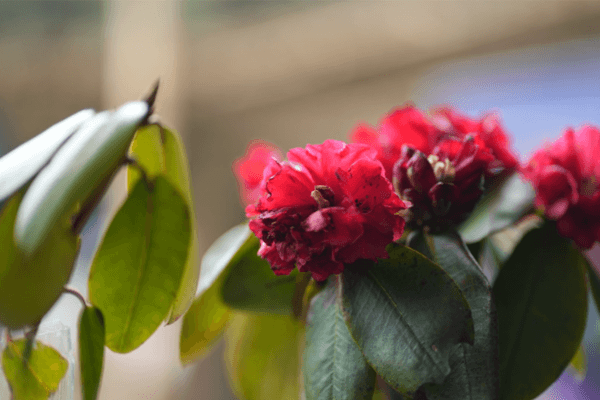
Nestled within the pristine valleys of Bhutan, the Rhododendron Festival is a unique celebration of the country’s vibrant biodiversity and rich natural...
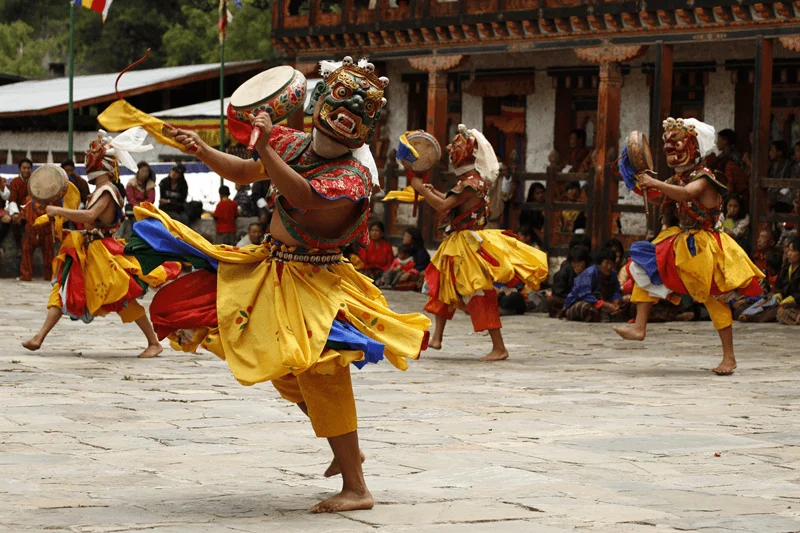
Nimalung Tshechu is a 3-days festival, and it is started with the usual chams and dances performed in other dzongkhags but on the final day, people are blessed...
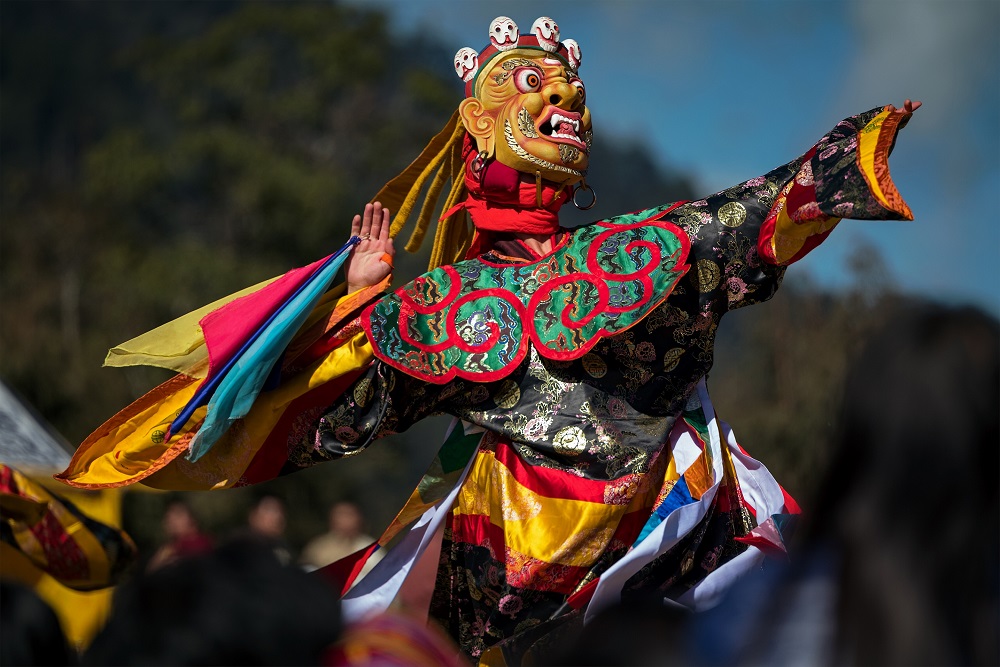
Kurjey Tsechu is celebrated in the popular Kurjey Lakhang in Bumthang. People of Jakar and Kurjey villages attend the Tshechu to pay obeisance to Guru Rinpoche...
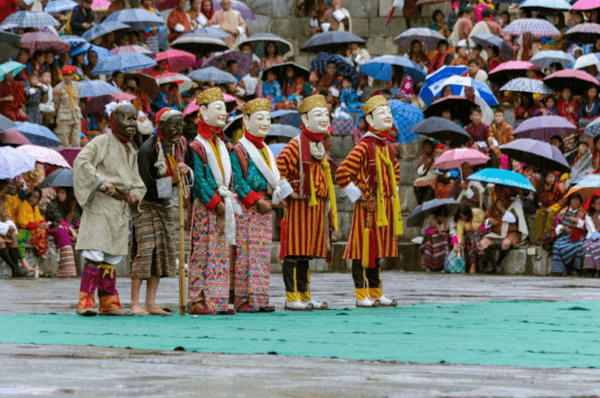
Every autumn, the heart of Bhutan's capital comes alive with an ancient spiritual tradition that predates its more widely celebrated festival—the Thimphu...
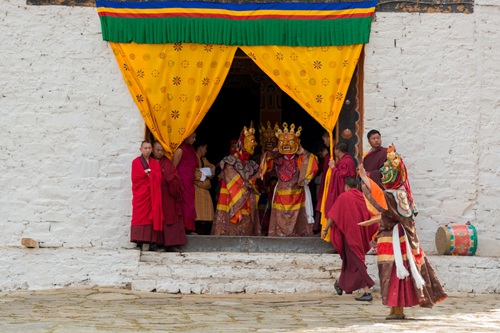
Wangdue Tshechu, held annually in the serene district of Wangdue Phodrang, is one of Bhutan’s most spiritually significant and visually captivating festivals...
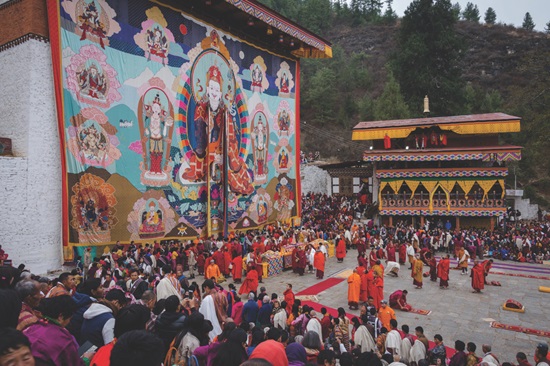
Thimphu · City celebration
Thimphu Tshechu is a major annual religious festival held in Bhutan’s capital to honour Guru Rinpoche, who introduced Tantric Buddhism to the country...
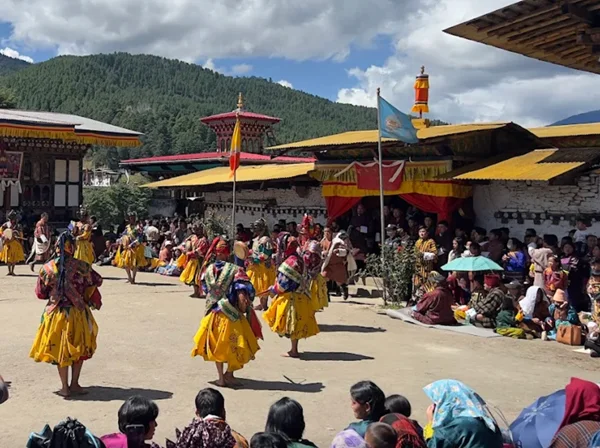
Tamshing Phala Choepa is one of Bhutan’s most revered and spiritually profound temple festivals, celebrated annually at the historic Tamshing Lhakhang in...
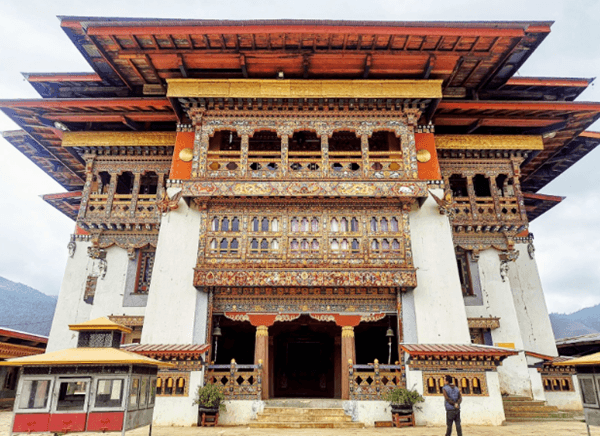
Tucked away in the pristine Phobjikha Valley, Gangtey Tshechu is one of Bhutan’s most enchanting festivals. Held at the 17th-century Gangtey Goenpa Monastery...
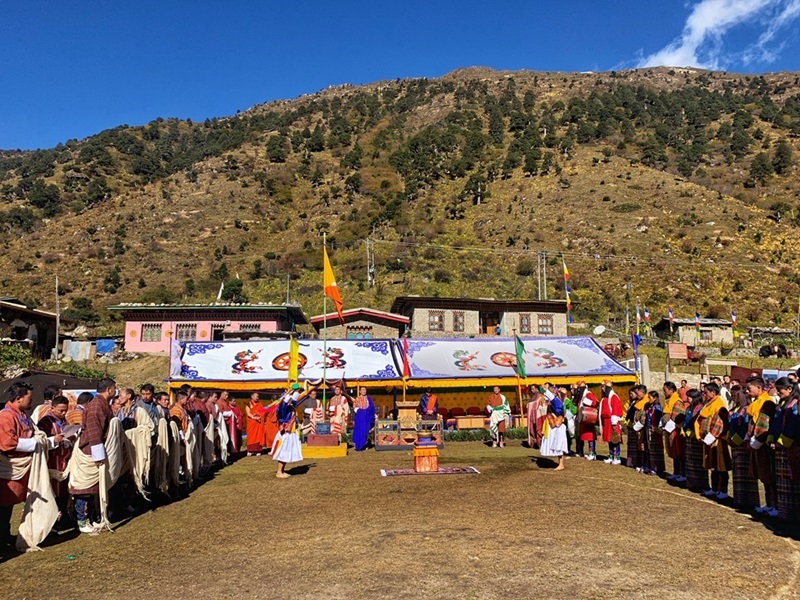
The Jomolhari Mountain Festival is a two-day event celebrated at the base of Mt. Jomolhari (7326 m) by the local communities that live along what could be one...
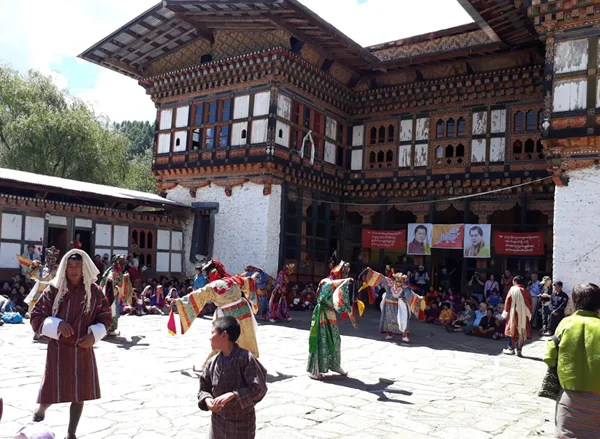
Thangbi Mani Festival is one of Bhutan’s most distinctive and culturally vibrant community festivals, celebrated annually in Thangbi village in Bumthang Valley...
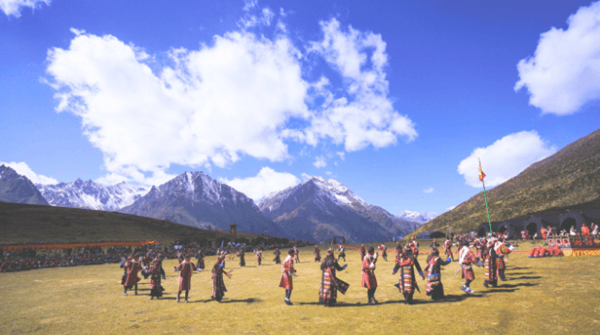
Laya · Highland culture
The Royal Highland Festival is a unique cultural celebration that showcases the rich traditions, heritage, and resilience of the country’s highland communities...
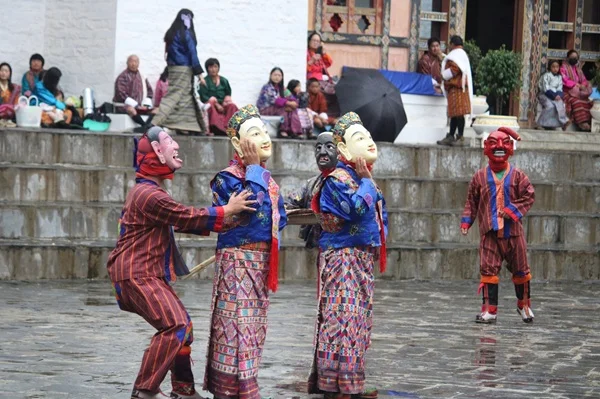
Pemagatshel Tshechu is one of eastern Bhutan’s most vibrant and culturally significant religious festivals, celebrated annually in the courtyard of Pemagatshel...
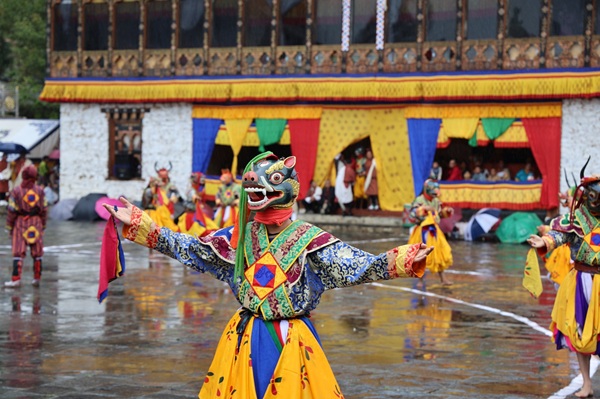
Haa Tshechu is one of Bhutan’s most charming and culturally authentic religious festivals, celebrated annually in the quiet western valley of Haa. Held in the...
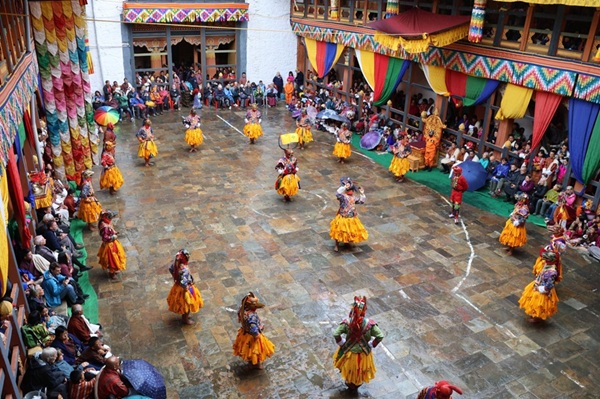
Bumthang · Cultural immersion
Jakar Tshechu is one of Bhutan’s most spiritually significant and culturally vibrant festivals, held annually in the picturesque Bumthang Valley. Taking place...
About the festivals
A tshechu (Dzongkha: ཚེས་བཅུ།, literally "day ten") is any of the annual religious Bhutanese festivals held in each district or dzongkhag of Bhutan on the tenth day of a month of the lunar Tibetan calendar.
Steeped in tradition, reverence, and vibrant cultural heritage, the Tshechu festivals of Bhutan stand as timeless celebrations that captivate the soul and ignite the spirit. As the beating heart of Bhutanese religious and cultural life, these festivals offer a mesmerizing glimpse into the kingdom's rich tapestry of beliefs, rituals, and artistic expression.
Rooted in the teachings of Buddhism and honoring revered figures such as Guru Rinpoche, Tshechus are sacred rites of passage, where the past meets the present in a dazzling display of devotion.
With their colourful dances, intricate costumes, and age-old traditions, Tshechu festivals transport participants and onlookers alike to a realm where time seems to stand still, and the divine presence is palpable in every beat of the drum and sway of the dancer.
Immersing yourself in a Tshechu festival is not only a memorable experience but also the best way to truly understand and embrace the essence of Bhutanese culture.
Learn more about tshechuFeatured journey · Spring 2027
See the festival and make time for the Bhutan beyond it. This suggested seven day route can bring together Paro, Thimphu and Punakha, with room to adjust the pace and accommodation to suit you.
Simple from the start
Browse by date and place, then read what makes each celebration distinctive.
Share your travel dates, group size and the sort of experience you would enjoy.
Druk Asia can suggest an itinerary that brings the festival together with the rest of your Bhutan trip.
Private journeys by Druk Asia
You do not need to know the perfect festival yet. Share your dates, pace and interests, and a Bhutan specialist will suggest a festival and a route around it.
Good to know
Clear, practical answers for choosing the right celebration and arriving prepared.
A tshechu is an annual Bhutanese religious festival held in honour of Guru Rinpoche. Communities gather in dzongs, monasteries and temple courtyards to witness sacred cham dances, receive blessings and celebrate together. Each region follows its own programme and traditions.
Yes. Most major tshechus welcome respectful visitors. These are living religious events rather than staged tourist performances, so follow local guidance, remain quiet during rituals and avoid blocking the view of worshippers.
Paro and Thimphu are the easiest major tshechus to build into a first Bhutan journey. Punakha offers an extraordinary dzong setting, while Bumthang festivals such as Jakar and Jambay Lhakhang feel more intimate and reward travellers who want to explore central Bhutan.
For Paro and Thimphu, planning four to six months ahead is sensible. Flights, guides and preferred hotels can fill quickly around popular spring and autumn celebrations. Earlier planning also gives you more flexibility with the route and hotel standard.
Festival dates follow the Bhutanese lunar calendar and can change. Treat published dates as provisional until reconfirmed. We check the programme again while planning your itinerary.
One full day is enough to experience the atmosphere and several dances. Two days give you a deeper view of the changing programme without requiring you to attend every day. For a dawn thongdrel unveiling, plan an early start and stay nearby the night before.
Dress modestly and comfortably: long trousers or an ankle-length skirt, covered shoulders and practical shoes are good choices. Bring a warm layer for cool mornings and avoid hats near religious structures. Your guide can advise if a venue has additional expectations.
Photography is often permitted in outdoor festival grounds, but never assume it is allowed during every ritual or inside temples. Avoid flash, do not enter the dance space and ask before photographing individuals closely. Follow your guide and any instructions at the venue.
Yes, particularly for children comfortable with crowds, long periods of sitting and unfamiliar masks or loud ceremonial music. Choose a flexible day, carry water and sun protection, and keep an easy exit route if younger children need a break.
Major tshechus can be busy, with simple or limited seating and plenty of time on your feet. Arriving early improves your viewing options. Travellers with reduced mobility should mention this during planning so access, walking distances and a realistic schedule can be checked in advance.
Programmes often begin in the morning, and locals may arrive early for good viewing places. Your guide will check the day's schedule and recommend a departure time. Thongdrel unveilings can happen around dawn and require a much earlier start.
Absolutely. Most journeys combine one or two festival days with Paro, Thimphu, Punakha, Gangtey or Bumthang. The route can include monasteries, walks, village stays and hotels that match your pace and preferences.
Your dates. Your pace. Your Bhutan.