Ura Yakchoe Tshechu is one of the most culturally significant festivals in central Bhutan, held in the idyllic Ura Valley in Bumthang. Known for its intimate, village-based atmosphere, this tshechu stands apart from larger dzong festivals by offering a closer, more personal connection to Bhutanese spirituality, tradition, and rural life. At the centre of the festival lies a revered relic, believed to have been left behind by a mysterious lama centuries ago.
Each year, this sacred artefact is displayed to the public, drawing pilgrims from all over the country who come seeking blessings, protection, and purification. For travellers, Ura Yakchoe is an exceptional opportunity to witness untouched cultural heritage in one of the most beautiful highland valleys of Bhutan.
Legend of the Ura Yakchoe Relic
According to local lore, a lama once visited an elderly woman in Ura village and asked her for a glass of water. When she returned, the lama had vanished, leaving behind a small sack at her doorstep. Inside was a sacred statue—no ordinary object, but a powerful relic. Since then, the relic has been passed from one generation to the next and is now enshrined as the spiritual heart of the Ura Yakchoe Tshechu. Each year, villagers gather to honour this relic, believing it offers blessings of health, prosperity, and protection from misfortune.
The Festival Experience
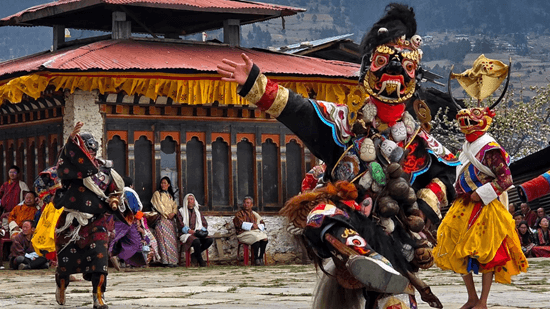
The Ura Yakchoe Tshechu is celebrated over several days and is filled with sacred masked dances, traditional rituals, and community celebrations. Monks and lay practitioners perform centuries-old cham dances, each one retelling stories of guardian deities, moral triumphs, and spiritual cleansing.
These dances are believed to ward off evil spirits and purify the environment. Unique to this festival is the Yak Dance, reflecting the deep connection between the Ura community and the yak-herding traditions of the region. One of the most auspicious moments of the tshechu is the ceremonial unveiling of the sacred relic.
Villagers and pilgrims offer butter lamps, khadars, and heartfelt prayers as they receive blessings from the sacred statue. Around the temple courtyard, the atmosphere comes alive with villagers in their finest attire, children playing, elders sharing stories, and families enjoying picnic lunches in the crisp mountain air. As with all Bhutanese festivals, the Ura Yakchoe Tshechu is as much a social gathering as it is a spiritual event.
When and Where Does Ura Yakchoe Festival Happens
The festival takes place in Ura Valley, located in Bumthang District in central Bhutan. Ura is known for its cluster of traditional stone houses, sweeping meadows, and alpine scenery that changes beautifully with the seasons. Ura Yakchoe usually falls in April or May, depending on the Bhutanese lunar calendar.
Cultural Significance
The Ura Yakchoe Tshechu plays a vital role in preserving the traditions, stories, and spiritual practices of the region. It reinforces communal harmony, provides a platform for intergenerational learning, and strengthens the villagers’ connection to their spiritual heritage. For the people of Ura, the festival is a sacred time to renew their faith, honour ancestral traditions, and seek protection for the year ahead. For visitors, it offers a rare chance to witness Bhutanese culture at its most authentic and heartfelt.
Practical Travel Information
Ura Valley is located about an hour’s drive from Jakar town in Bumthang. The journey takes you through scenic mountain roads, pine forests, and small rural settlements, giving you a gorgeous preview of central Bhutan’s landscapes. Due to its higher altitude, Ura can be chilly even in spring, so warm layers are recommended. As the festival is held in a rural village, accommodation is typically arranged in Bumthang where comfortable hotels and lodges are available. For the best experience, travellers should plan to visit both the festival and the surrounding landmarks of Bumthang, often referred to as the spiritual heartland of Bhutan.
Highlights of Ura Yakchoe Tshechu
The ceremonial unveiling and blessing of the sacred Ura Yakchoe relic, believed to protect devotees from illness, misfortune, and spiritual obstacles.
A series of powerful masked cham dances performed by monks and lay practitioners, each symbolising purification, protection, and the victory of wisdom over negativity.
The iconic Yak Dance, unique to Ura Valley, reflecting the village’s deep connections to yak-herding traditions and pastoral life.
A warm, intimate village festival atmosphere, offering a close-up look at how rural Bhutanese communities celebrate faith, heritage, and togetherness.
Elders, families, and children gathering in their finest traditional attire, creating a vibrant tapestry of colour and culture.
Opportunities to witness rare oral traditions and folklore preserved through dance, music, and ceremony.
A deeply spiritual environment that makes the festival especially meaningful for pilgrims seeking blessings and renewal.
Stunning alpine scenery surrounding Ura Valley, adding a serene natural backdrop to the festival rituals.
Interaction with local villagers, giving visitors a genuine sense of Bhutanese hospitality and rural life.
A perfect chance to capture authentic cultural photographs without the large crowds found at major dzong festivals.
Plan Your Trip
You can attend Ura Yakchoe as part of a Bumthang cultural tour or a wider journey across central and western Bhutan. A typical Ura Yakchoe tour includes stops at major temples and monasteries in Bumthang, visits to local artisan workshops, and scenic drives across high mountain passes.
Festival Dates
- Apr 28, 2026 - May 02, 2026
