Samdrup Jongkhar Tshechu is one of southeastern Bhutan’s most important and lively religious festivals, celebrated annually in the courtyard of Samdrup Jongkhar Dzong. As the main gateway town connecting Bhutan with Assam, India, Samdrup Jongkhar blends frontier energy with deep-rooted spiritual tradition.
Like tshechus across the kingdom, the festival honours Guru Rinpoche (Padmasambhava), the revered master who introduced Tantric Buddhism to Bhutan in the 8th century. With its vibrant masked dances, strong community participation, and warm regional character, Samdrup Jongkhar Tshechu offers travellers an authentic glimpse into Bhutanese faith in the kingdom’s subtropical east.
Cultural and Spiritual Significance
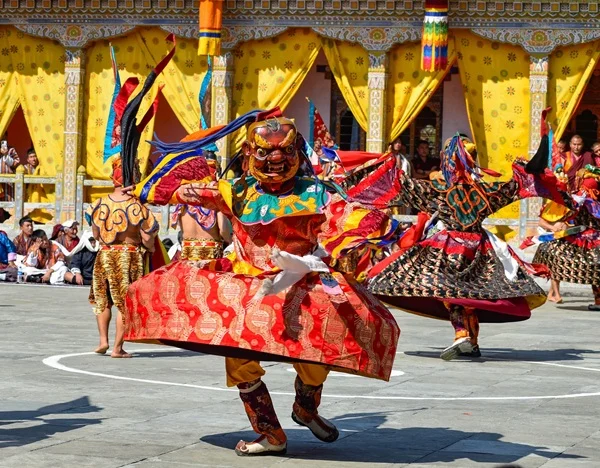
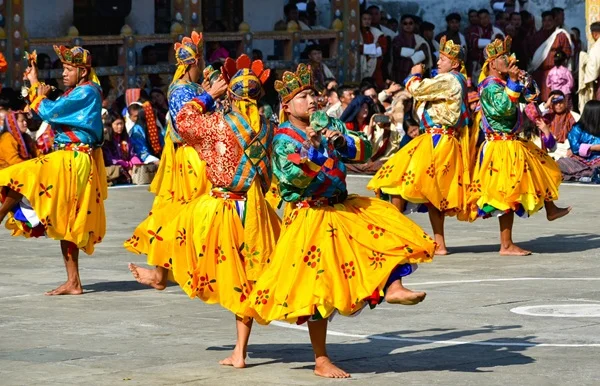
Samdrup Jongkhar Tshechu is a meaningful expression of Bhutanese Buddhist devotion. The festival commemorates Guru Rinpoche, revered as the “Second Buddha,” and witnessing the sacred cham dances is believed to purify negative karma and accumulate merit.
The tshechu also serves as an important social gathering for communities across southeastern Bhutan, where families come together in their finest ghos and kiras to celebrate, pray, and reconnect. Due to its border location, the festival reflects a unique cultural crossroads, yet the spiritual core remains deeply Bhutanese and traditional.
When is Samdrup Jongkhar Tshechu Celebrated?
Samdrup Jongkhar Tshechu is typically held in November, according to the Bhutanese lunar calendar. Dates vary slightly each year. The late-autumn timing usually brings pleasant weather in the southeastern lowlands, with warmer temperatures than central and western Bhutan.
Where is the Festival Held?
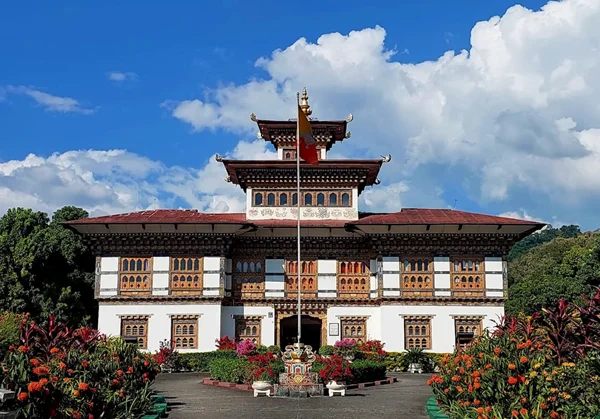
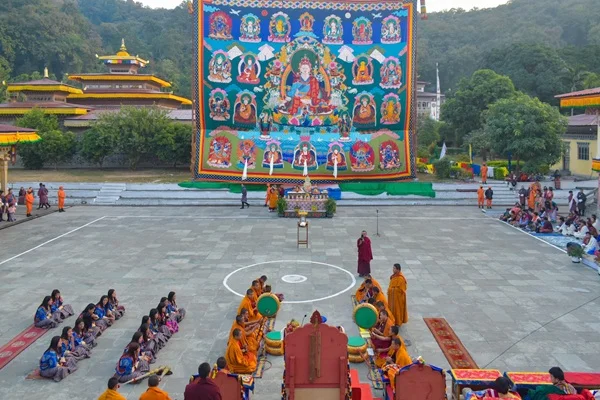
The festival takes place in the courtyard of Samdrup Jongkhar Dzong, located near the Bhutan–India border in southeastern Bhutan. The dzong serves as the district’s administrative and monastic centre and sits close to the bustling frontier town that functions as one of Bhutan’s key overland entry points. Compared to western festivals, the atmosphere here feels more local and relaxed, with relatively few international visitors.
Highlights of Samdrup Jongkhar Tshechu
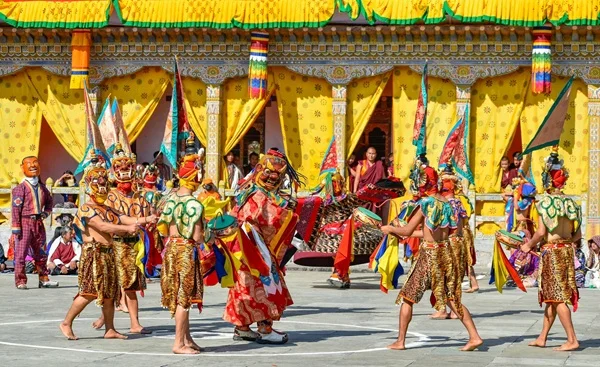
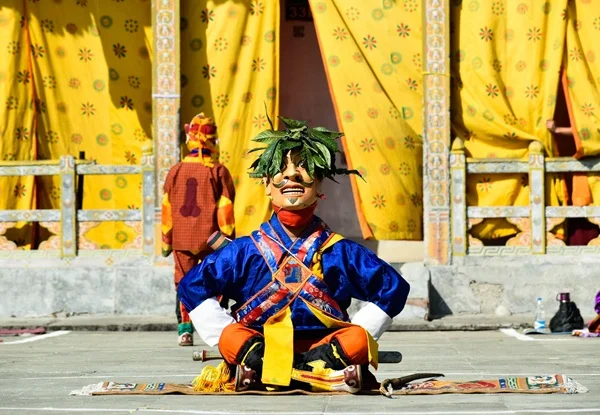
Sacred Cham Dances: Monks and lay performers present traditional masked dances depicting the life and teachings of Guru Rinpoche. Each cham carries symbolic spiritual meaning.
Thongdrel Unfurling: On the final morning, a large sacred thongdrel of Guru Rinpoche is typically displayed briefly at dawn. Viewing it is believed to confer blessings and cleanse past misdeeds.
Community Gathering: The tshechu draws residents from across the southeast, creating a lively and colourful festive environment.
Authentic Border-Region Experience: The festival offers a rare perspective on Bhutanese culture in the subtropical east, distinct from the more visited western valleys.
Traditional Music and Folk Performances: Local songs and musical interludes add warmth and celebratory energy between the ritual dances.
Tips for Travellers
Expect Warmer Weather: Temperatures in Samdrup Jongkhar are generally higher than in Thimphu or Bumthang, so dress in light layers.
Arrive Early on Final Day: The thongdrel is displayed only briefly at dawn.
Dress Respectfully: Modest clothing is essential; traditional Bhutanese attire is welcomed.
Plan Overland Travel: Most visitors reach the town by road from eastern or central Bhutan.
Combine with Eastern Circuit: Pair the festival with visits to Trashigang, Mongar, or the eastern section of the Trans Bhutan Trail.
Getting to Samdrup Jongkhar
Samdrup Jongkhar is accessible by overland journey from Trashigang, Mongar, or Trashiyangtse. Many travellers also enter Bhutan via the Samdrup Jongkhar land border from Assam, India. International visitors typically fly into Paro and travel eastward overland, though the journey is long and best planned as part of a broader east-to-west Bhutan itinerary.
What to See Around Samdrup Jongkhar
Zangtopelri Lhakhang: A serene temple in the town centre known for its detailed murals.
Dewathang: A historic hill town nearby with cooler temperatures and educational institutions.
Eastern Bhutan Villages: Ideal for travellers seeking authentic rural encounters and subtropical landscapes.
Assam Border Markets: A glimpse into the cross-border trade culture that has long shaped the region.
Why You Shouldn’t Miss It
Samdrup Jongkhar Tshechu offers a refreshing perspective on Bhutan’s living traditions in a region few international travellers reach. Here, the celebrations feel warm, grounded, and deeply community-driven. For those exploring eastern Bhutan or entering the kingdom by land, the festival provides a meaningful cultural welcome — one that reveals Bhutan’s spiritual heartbeat thriving at the very edge of the Himalayas.
Book a Samdrup Jongkhar Tshechu Tour
Find out moreFestival Dates
- Dec 22, 2026 - Dec 24, 2026
Plan your trip
Our team will get back to you within 24 hours.
