Lhuentse Tshechu is one of eastern Bhutan’s most sacred and culturally authentic religious festivals, celebrated annually in the courtyard of Lhuentse Dzong. Set in one of the kingdom’s most remote and historically significant districts, this tshechu honours Guru Rinpoche (Padmasambhava), the great Buddhist master who introduced Tantric Buddhism to Bhutan in the 8th century.
With its strong local participation, vibrant masked dances, and deeply traditional atmosphere, Lhuentse Tshechu offers travellers a rare glimpse into Bhutanese spiritual life far from the well-trodden western circuit. The festival unfolds against the dramatic mountain backdrop of Kurtoe, the ancestral homeland of Bhutan’s royal family.
Cultural and Spiritual Significance
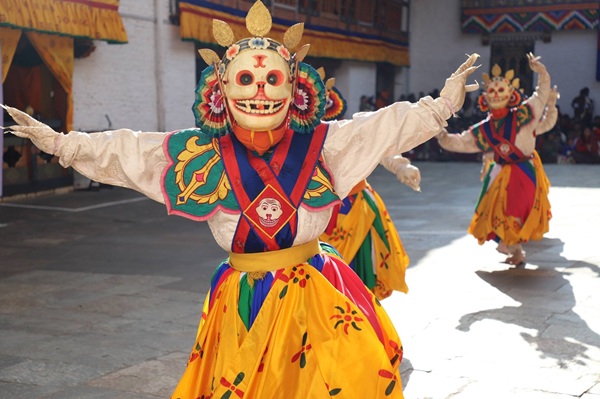
Lhuentse Tshechu is a powerful expression of Bhutanese devotion and living tradition. Like other tshechus across the kingdom, it commemorates Guru Rinpoche, revered as the “Second Buddha” in Bhutan. Witnessing the sacred cham dances is believed to purify negative karma, accumulate merit, and bring blessings for the year ahead.
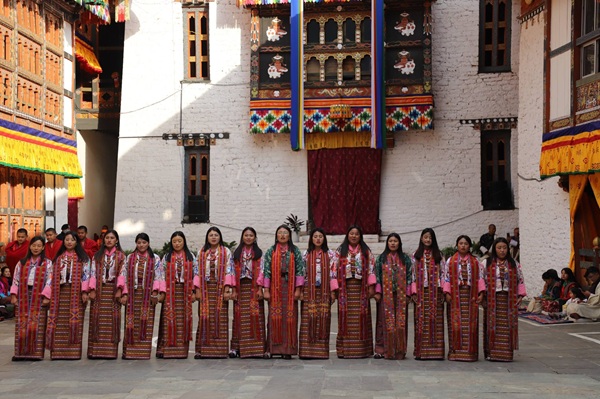
What makes this festival especially meaningful is its strong community character. Villagers from remote valleys gather in their finest ghos and kiras, transforming the dzong courtyard into a vibrant celebration of faith and identity. Lhuentse, specifically Kurtoe, itself holds special historical importance as the ancestral homeland of the Wangchuck dynasty, adding an extra layer of cultural depth to the festival experience.
When is Lhuentse Tshechu Celebrated?
Lhuentse Tshechu is typically held in late November or December, depending on the Bhutanese lunar calendar, according to the Bhutanese lunar calendar. Dates vary slightly each year. The timing coincides with Bhutan’s beautiful autumn season, when skies are often clear and the eastern landscapes are especially scenic for travel.
Where is the Festival Held?
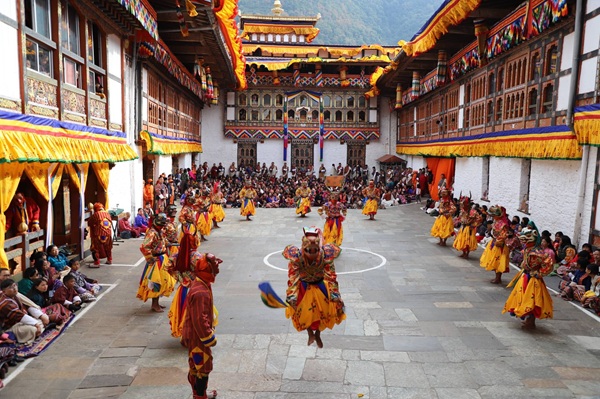
The festival takes place in the courtyard of Lhuentse Dzong, a striking hilltop fortress overlooking the Kuri Chhu valley in eastern Bhutan. Built in the 17th century, the dzong serves as both the administrative and monastic centre of the district. Perched high above the river and surrounded by rugged mountains, the setting is both dramatic and deeply atmospheric. Due to its remote location, the tshechu sees relatively few international visitors, preserving a wonderfully authentic and intimate environment.
Highlights of Lhuentse Tshechu
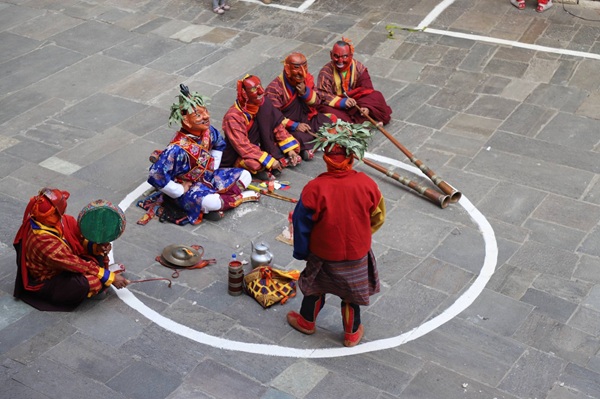
Sacred Cham Dances: Monks and lay performers present traditional masked dances depicting the life and teachings of Guru Rinpoche. Each performance carries symbolic meaning and spiritual significance.
Thongdrel Unfurling: On the final morning, a large sacred thongdrel of Guru Rinpoche is typically displayed briefly at dawn. Viewing it is believed to cleanse sins and bestow blessings.
Royal Heritage Connection: Lhuentse is the ancestral region of Bhutan’s monarchy, giving the festival additional historical resonance.
Community Gathering: Families travel from remote villages to attend, creating a colourful and deeply local festive atmosphere.
Authentic Eastern Bhutan Experience: With minimal tourist crowds, the festival offers excellent opportunities for cultural immersion and meaningful photography.
Tips for Travellers
Plan for Long Travel Time: Lhuentse is one of Bhutan’s most remote districts, so allow sufficient overland travel time.
Arrive Early on Final Day: The thongdrel is displayed only briefly at dawn.
Dress Modestly: Respectful clothing is essential; traditional attire is welcomed.
Prepare for Simple Facilities: Accommodation and amenities in eastern Bhutan are more basic than in the west.
Combine with Eastern Circuit: Pair the festival with visits to Mongar, Trashigang, and Trashi Yangtse for a fuller eastern Bhutan journey.
Getting to Lhuentse
Most travellers reach Lhuentse via an overland journey from Mongar, typically 2–3 hours by road. International visitors usually fly into Paro, then either take a domestic flight to Yonphula (Trashigang) followed by a scenic drive, or travel overland across central Bhutan. The journey is long but exceptionally rewarding for those seeking Bhutan’s most untouched cultural regions.
What to See Around Lhuentse
Khoma Village: Bhutan’s most famous centre for Kishuthara weaving, located a short drive from the dzong.
Kilung Lhakhang: A sacred cliffside temple associated with Guru Rinpoche.
Kuri Chhu Valley: Scenic river landscapes ideal for photography.
Eastern Bhutan Villages: Perfect for travellers interested in authentic rural life and textile traditions.
Why You Shouldn’t Miss It
Lhuentse Tshechu is Bhutan at its most authentic and unfiltered. Here, the dances feel closer, the blessings more personal, and the cultural experience deeply rooted in community life. For travellers willing to venture east, the festival offers a rare opportunity to witness living tradition in one of the kingdom’s most historically significant regions. It is a journey into the quiet, enduring soul of Bhutan.
Book a Lhuentse Tshechu Tour
Find out more
Festival Dates
- Dec 17, 2026 - Dec 21, 2026
Plan your trip
Our team will get back to you within 24 hours.
