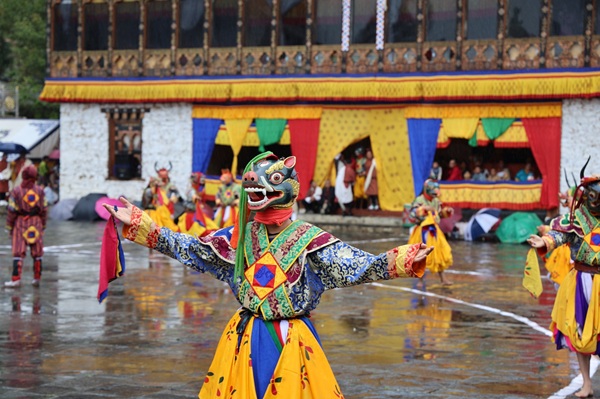
Haa Tshechu is one of Bhutan’s most charming and culturally authentic religious festivals, celebrated annually in the quiet western valley of Haa. Held in the courtyard of Lhakhang Karpo (the White Temple), the festival honours Guru Rinpoche (Padmasambhava), the revered master who introduced Tantric Buddhism to Bhutan in the 8th century.
Compared to the larger tshechus like Paro Tshechu and Thimphu Tshechu, Haa Tshechu offers a more intimate and unhurried atmosphere, where sacred masked dances unfold against the serene backdrop of one of Bhutan’s least-visited valleys.
Cultural and Spiritual Significance
Haa Tshechu is a meaningful expression of Bhutanese Buddhist devotion and community life. Like tshechus across the kingdom, it commemorates Guru Rinpoche, revered as the “Second Buddha,” and witnessing the sacred cham dances is believed to purify negative karma and bring spiritual merit.
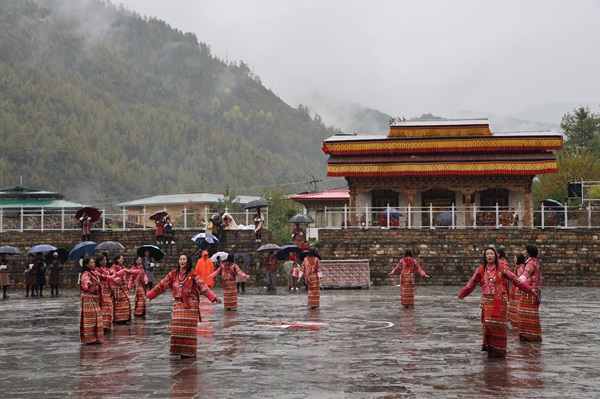
What makes the festival especially appealing is its strong local character. Residents from across Haa Valley gather in their finest ghos and kiras, creating a warm, close-knit celebration that feels deeply rooted in tradition. The festival also reflects Haa’s important role in Bhutan’s early religious history, with Lhakhang Karpo traditionally believed to date back to the 7th century.
When is Haa Tshechu Celebrated?
Haa Tshechu is typically held in September, according to the Bhutanese lunar calendar. Dates vary slightly each year. The summer timing brings lush green landscapes to the valley, though occasional monsoon showers are possible.
Where is the Festival Held?
The festival takes place in the courtyard of Lhakhang Karpo in Haa Valley, western Bhutan. This revered temple complex, paired with the nearby Lhakhang Nagpo (Black Temple), is among the most historically significant religious sites in the region. Set against open alpine scenery and traditional farmhouses, the location offers a picturesque and peaceful festival setting far removed from the busier western valleys.
Highlights of Haa Tshechu
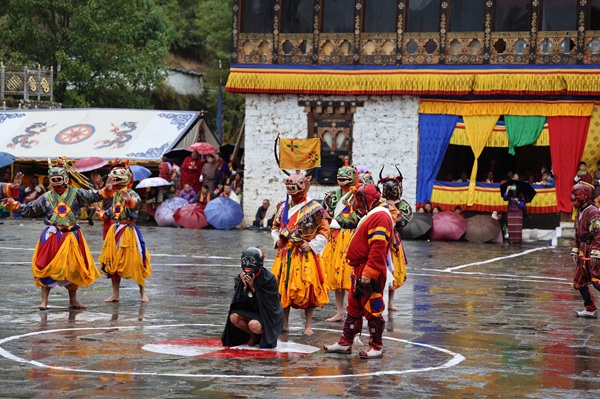
Sacred Cham Dances: Monks and lay performers present traditional masked dances depicting the life and teachings of Guru Rinpoche. Each cham carries symbolic meaning and spiritual significance.Thongdrel Unfurling: On the final morning, a sacred thongdrel of Guru Rinpoche is typically displayed briefly at dawn. Viewing it is believed to cleanse sins and confer blessings.
Intimate Valley Atmosphere: With fewer visitors than major western festivals, the experience feels personal and immersive.
Community Gathering: Families from across Haa Valley attend in traditional attire, creating a colourful yet relaxed celebration.
Scenic Alpine Setting: The wide, open valley and surrounding mountains provide beautiful photographic opportunities.
Tips for Travellers
Arrive Early on Final Day: The thongdrel is displayed only briefly at dawn.Dress Respectfully: Modest clothing is essential; traditional Bhutanese attire is welcomed.
Bring Layers: Even in summer, Haa Valley mornings and evenings can be cool.
Combine with Western Bhutan: The festival pairs well with visits to Paro and the Chele La Pass.
Getting to Haa
Haa Valley is about a 2.5–3 hour scenic drive from Paro, crossing the spectacular Chele La Pass at around 3,988 metres. Most international travellers arrive via Paro International Airport and continue overland to Haa. The journey itself is one of western Bhutan’s most beautiful drives.
What to See Around Haa
Lhakhang Nagpo: The companion Black Temple located opposite Lhakhang Karpo.Chele La Pass: Bhutan’s highest motorable pass, offering sweeping Himalayan views on clear days.
Haa Valley Villages: Ideal for gentle cultural walks through traditional farm communities.
Juneydrak Hermitage: A cliffside meditation site associated with Guru Rinpoche.
Why You Shouldn’t Miss It
Haa Tshechu is where Bhutan slows down. Without the scale and crowds of the major festivals, the experience here feels sincere, grounded, and beautifully human. For travellers seeking a quieter cultural encounter in western Bhutan, this festival offers a rare chance to witness living tradition in one of the kingdom’s most peaceful valleys.Book a Haa Tshechu Tour
Find out moreFestival Dates
- Sep 19, 2026 - Sep 21, 2026
Plan your trip
Our team will get back to you within 24 hours.
